
Volatility is no longer an excuse to avoid crypto payments. These five platforms offer instant stablecoin settlement for merchants.
Accepting crypto payments used to mean holding Bitcoin or Ethereum while prices swung wildly. A sale today could be worth 20% less tomorrow. That risk kept many business owners away. Now, payment platforms solve that problem by converting every crypto payment into a stablecoin like USDC or USDT. The merchant receives a fixed dollar value. No price swings. No surprises.
Below are five platforms that deliver instant stablecoin settlement. Each works differently. Some focus on ease of integration. Others prioritize low fees or geographic reach. Merchants should pick based on their existing shopping cart, customer base, and payout preferences.
1. Paybis
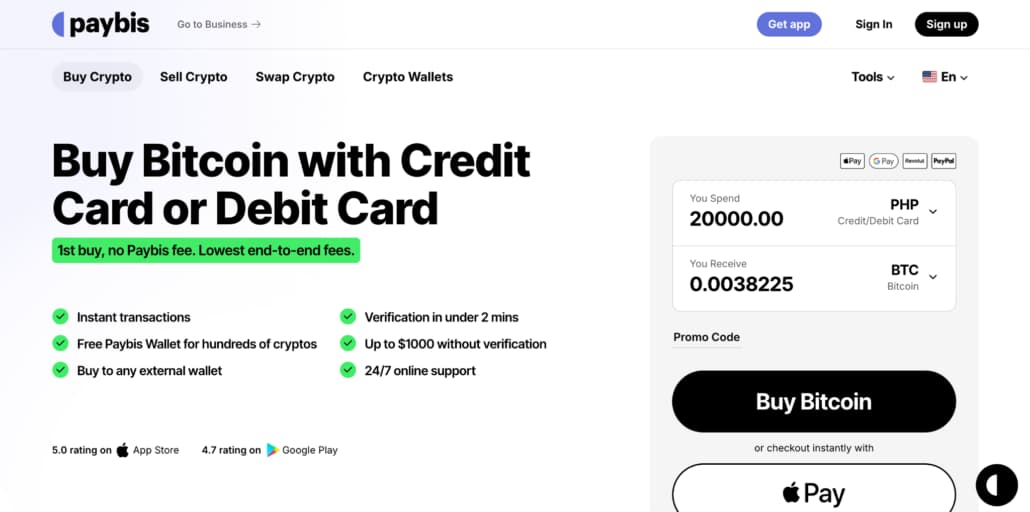
Paybis offers a payment processing solution designed for speed. Merchants accept regular fiat payments from customers. The platform then delivers stablecoins directly to the business crypto wallet. This reverse model works well for companies that want to build crypto reserves without asking customers to pay in crypto.
How the Facilitator Model Works
The Paybis ramp acts as a facilitator. When a customer pays with a credit card or bank transfer, Paybis handles the entire KYC and AML process. The platform verifies the customer, captures the funds, and converts the amount to USDC or USDT. The merchant receives stablecoins within hours. No need for the merchant to run compliance checks on every buyer.
Key advantages for merchants:
- Accept ordinary fiat payments but get stablecoins in return
- No volatility risk because settlement happens in USDC or USDT
- Integration takes hours using standard APIs
- KYC and AML handled entirely by Paybis
Integration Speed
Technical teams appreciate the simple API structure. A few calls connect the merchant’s checkout page to Paybis. The platform returns a confirmation once the stablecoin transfer completes. No blockchain expertise required. Existing payment flows stay intact. The only change is the settlement asset.
Businesses using this model build a crypto treasury from everyday sales. Each transaction adds stablecoins to the company’s crypto wallet. Those assets can later be swapped, staked, or held as a hedge.
2. NOWPayments
NOWPayments takes a different path. Instead of converting fiat to stablecoins, it accepts over 100 cryptocurrencies directly from customers. The platform then auto‑converts those payments to stablecoins before sending funds to the merchant.
Wide Asset Support
Customers can pay with Bitcoin, Litecoin, Dogecoin, Ripple, or any of 100+ other coins. The merchant does not need to worry about which crypto the buyer holds. NOWPayments handles the swap on the backend. The merchant receives USDC, USDT, or another stablecoin of choice.
Supported shopping cart plugins:
- WooCommerce
- Shopify
- Magento
- PrestaShop
- OpenCart
Fee Structure and Limits
New users face no monthly fees. The platform takes a small percentage per transaction. However, fresh accounts have transaction limits. A merchant processing high volumes immediately may hit those caps. Limits increase over time as the account builds history. For small to medium businesses, the free monthly plan works well. Large enterprises should contact sales for higher thresholds.
NOWPayments also offers a hosted payment page. Merchants without a website can generate a link and share it with customers via invoice or chat. This flexibility suits freelancers and service providers.
3. Coinbase Commerce
Coinbase Commerce focuses entirely on USDC settlement. Merchants receive only this stablecoin. No Bitcoin. No Ethereum. No other stablecoins. The platform charges zero blockchain fees for USDC transactions on the Ethereum or Polygon networks.
Seamless for Coinbase Users
Any customer with a Coinbase account can pay in seconds. The buyer scans a QR code or clicks a payment link. Coinbase Commerce deducts USDC from the customer’s balance and sends it to the merchant’s crypto wallet. No network fees. No confirmation delays. For merchants who already hold Coinbase accounts, the integration feels natural.
Off‑Ramp Limitations
The main drawback appears outside the United States. Coinbase Commerce offers limited off‑ramp options for converting USDC back to local currency. A merchant in Europe or Asia may struggle to turn USDC into euros or yen directly through Coinbase. Third‑party exchanges become necessary. This adds steps and fees.
Another limitation is asset choice. Some merchants want to hold a mix of stablecoins or accept crypto beyond USDC. Coinbase Commerce does not support that. The platform serves one use case well: fast, free USDC acceptance for Coinbase users. Businesses with diverse customer payment preferences may need a more flexible option.
4. BitPay
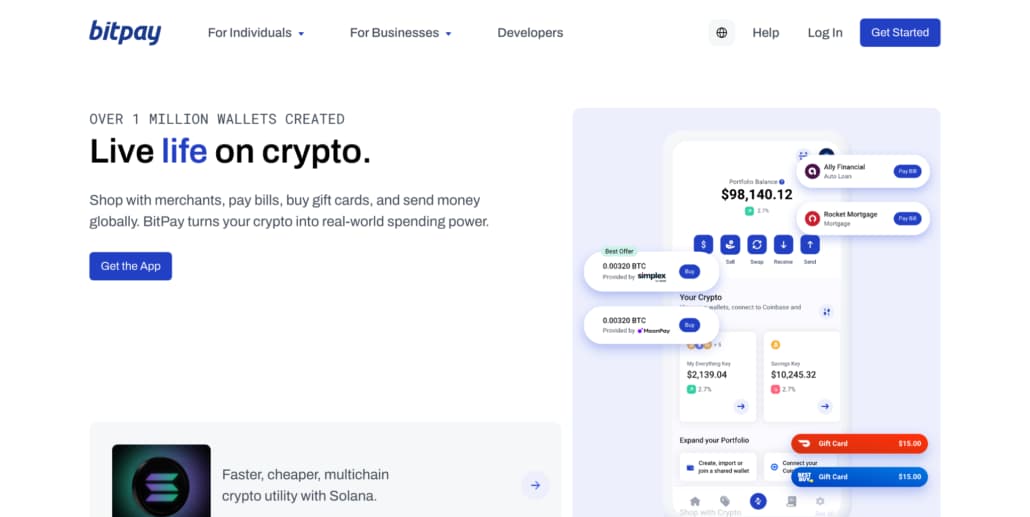
BitPay entered the crypto payment space early. The platform remains a trusted name for merchants seeking fiat settlement. BitPay accepts multiple blockchains, including Bitcoin, Ethereum, Dogecoin, and several stablecoins. The platform then settles funds directly to the merchant’s bank account in dollars or other local currencies.
Veteran Platform Features
BitPay provides a full suite of tools. Merchants get payment buttons, hosted invoices, and plugins for major e‑commerce platforms. The system also supports email invoices for manual billing. Customers pay with their preferred crypto wallet. BitPay confirms the transaction and deposits fiat into the merchant’s bank account within one business day.
Supported blockchains:
- Bitcoin (BTC)
- Ethereum (ETH)
- Dogecoin (DOGE)
- Bitcoin Cash (BCH)
- Litecoin (LTC)
- Several stablecoins
Higher Fees
The trade‑off is cost. BitPay charges higher fees compared to newer platforms. Transaction fees plus exchange fees add up. For small ticket items or low‑volume merchants, the fees may erase profits. However, large enterprises appreciate the reliability, compliance track record, and fiat settlement. BitPay also supports refunds in crypto, a feature missing from many competitors.
Merchants wanting stablecoin settlement rather than fiat can also choose to receive USDC or USDT. But the platform’s core strength remains the bank deposit option.
5. CoinGate

CoinGate holds a strong position in Europe. The platform supports over 70 cryptocurrencies and offers auto‑conversion to euros, US dollars, or stablecoins. Merchants choose their payout currency during setup.
European Focus
CoinGate’s banking partners are based in the European Union. SEPA transfers arrive quickly. EUR settlements face low fees. Merchants outside Europe can still use CoinGate, but payouts in other fiat currencies may carry higher costs or longer wait times. Stablecoin settlement avoids this geographic friction entirely.
Mature Shopify Plugin
CoinGate built one of the most mature Shopify integrations available. Merchants install the plugin, configure payout preferences, and start accepting crypto within minutes. The plugin automatically calculates exchange rates at checkout. Customers see the crypto amount in real time. After payment, CoinGate converts the funds and sends stablecoins or fiat to the merchant.
Other notable plugins:
- Magento
- WooCommerce
- PrestaShop
- WHMCS
CoinGate also provides a virtual terminal for in‑person payments. A store employee enters the amount, and the customer scans a QR code. The terminal works on any tablet or phone. This hybrid online‑offline support helps brick‑and‑mortar retailers accept crypto without expensive hardware.
Transaction fees sit between NOWPayments and BitPay. Volume discounts apply. The platform also offers a sandbox environment for testing before going live.
The Best Stablecoin Settlement Platform
Merchants eliminating volatility have multiple stablecoin‑settlement options. Trade‑offs include geographic coverage, plugin ecosystems, and whether fiat or stablecoin payout is preferred.
Paybis solves a unique need: turning fiat customer payments into stablecoins. This works for businesses building crypto treasuries. NOWPayments offers wide crypto acceptance with auto‑conversion and free monthly plans. Coinbase Commerce delivers zero‑fee USDC settlement for Coinbase users but struggles outside the US. BitPay provides veteran reliability and fiat bank settlement at higher fees. CoinGate leads in Europe with a mature Shopify plugin and virtual terminal.
A merchant’s existing payment stack matters. A Shopify store in Europe leans toward CoinGate. A US business with many Coinbase customers picks Coinbase Commerce. A company that wants stablecoins from ordinary credit card sales looks at Paybis. Test one platform. Run small transactions. Then scale. The stablecoin settlement space now has a tool for every merchant size and region.


